Roads are a harmful effect of human activity, once made, remain permanently like wrinkles in an old man. Our planet covered with an increasing circle of wrinkles is getting faster and faster.
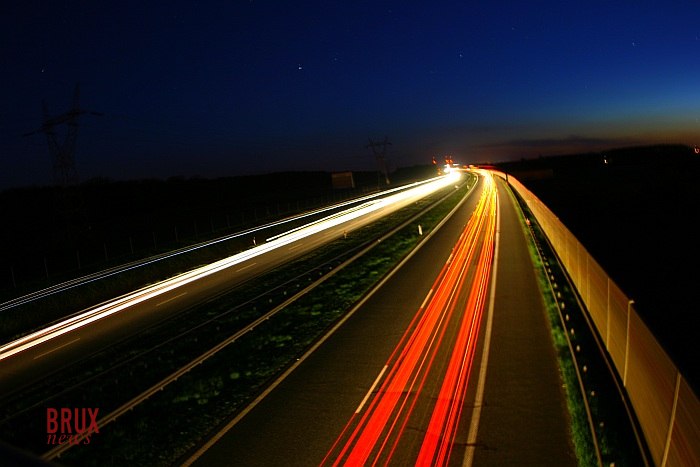
Poland has undergone major changes in road infrastructure over the last ten years. So far, all major roads combined the largest cities and usually run through their centres. With the increase in the number of cars in Poland and imported consumption requiring dynamic logistics, such a solution has become a major problem for drivers and city dwellers. Traffic jams ran for miles through entire cities that became impassable. So the construction of highways with the beltway for cities has started. Highways in Poland are usually two-dimensional roads of fast movement with coast shields to be tapped against intrusion of animals. And on these animals I wanted to focus.
Highways divided Poland into pieces like a cake. With this division, the ecosystem was divided. I wondered how the scientific communities of nature accept this? I was quickly convinced that for the naturalists, Nature is their own toy, and social benefit is not here. Naturalists do not have to interfere with which uncontrolled funds for their research. I heard that the lands buy developers for the construction of residential buildings or warehouses but I never heard the naturalness to buy land for recreating forests or lakes. Behind the styled doctors from nature in Poland there are more than an active army.
I wanted to find out what makes to minimize the harmful effects of the distribution of ecosystems through the highway networks and how to deal with natural sails that periodically stay animals. I asked the General Directorate of National Roads and highways (GDDKiA) for a map indicating the highway places in which such animal transitions were taken into account. In response, I received information that such places for 25 years have been created by almost 3.000 in Poland. Since I wanted to see at least a few of these places personally, I asked for a map again to justify my need. I was instructed that these places are not for people.
It began to wonder why for 25 years on a meticulous construction documentation there is no material in which such transitions were documented? It was also strange to me that if I remember about such a need for the direction of roads, I do not try to create such a map quickly only tells me that I do not have it and I have it without blaming to accept it?

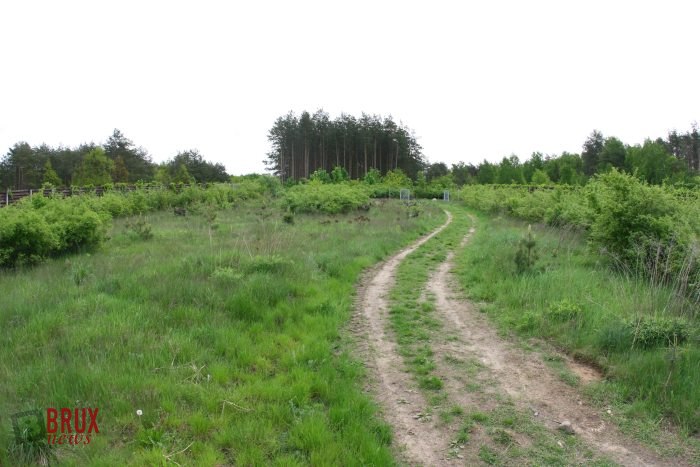
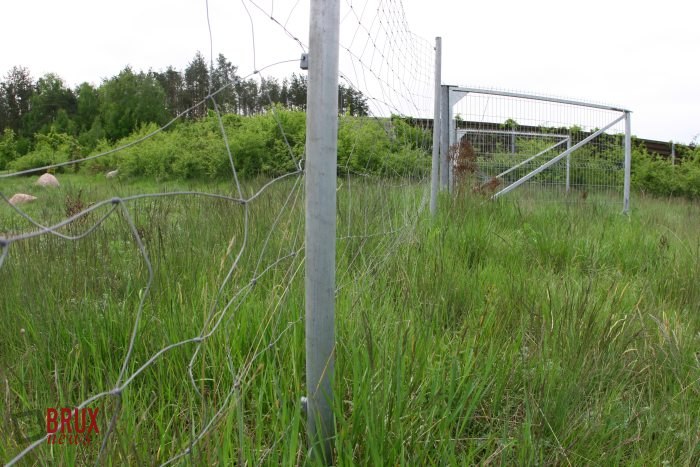
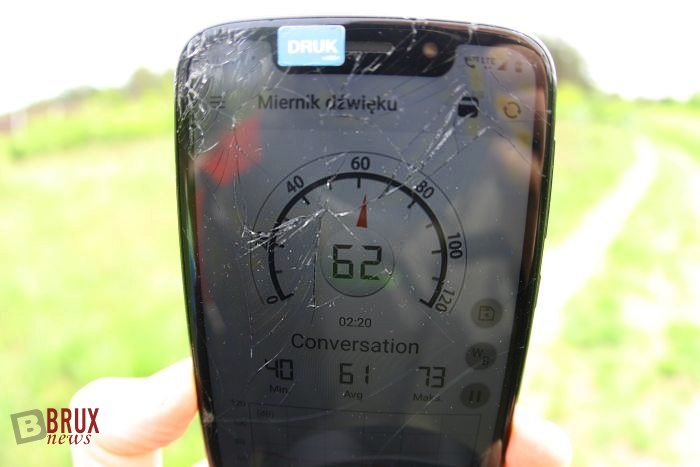
I launched a satellite map of Google and track the highway in 8 minutes I found the nearest passage intended as an animal trail. An hour later I was already on site and what did I see? It was a footbridge, a bridge with a width of about 30 meters through which there was a landed road. The highway in this place is illuminated and the noise in the central footbridge part was sometimes up to 70dB. The road to which the animals are to pass without hindrance had a net and a gate. Are the presence of grid, light and noise not barriers for animals? Is this a free crossing or border farm? Maybe the general directorate of national roads and GDDKiA highways, which did not want to indicate these places that I would not see it? I suspect that from the declared 3.000 places to free animal migration more than half are only statistical places from which animals absolutely do not use. (Brux)
…………………
BRUXnews
RSS subscription: https://brux.news.blog/feed/
Editor contact: BRUXnews@post.com
 BRUXnews