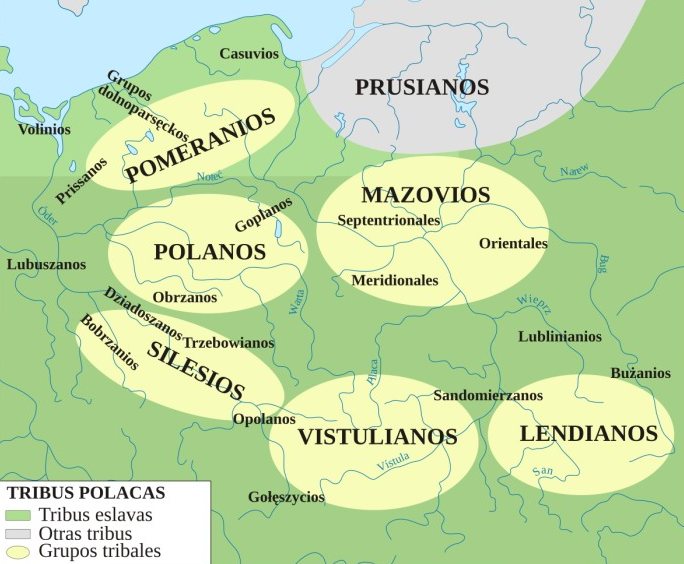
Gniezno is the oldest city in Poland. On Slavic areas of Polan the defensive necessity was supervised by sediments to jointly and severally cooperate. One of the settlement protoplasat of Gniezno took the role of a dominant, taking over the organization and influence of neighboring settlements. That’s how the first structure of authorities, which under the rule has lived, expanded influences on the neighboring tribes, especially the southern neighbors of Vistulan on the trail connecting the Baltic Sea with the Czech. There are no documents on this subject but are the opinions that this was not without violence. However, these were the first efforts to create a state. To heat such a state and official power, It was necessary to obtain acceptance of imperial authorities in Germany. The path to this was the need for a community with the already existing Catholic State. This goal was achieved by the marriage Mieszko of Polan with Dobrava the Czech Princess of Przemyslidow. It was a church wedding so Mieszko had to accept baptism and at the same time adopt a Christianity. In this way, Mieszko became Prince Mieszko I and, Planie went from the tribal era of gentiles to the era of the christian state, and Gniezno became the seat of the first Catholic ruler. In Poland it is called “Baptism of Polish” and dates 966 as the beginnings of the Polish state but it is not exactly known when and where the marriage Mieszko with Dobrava.
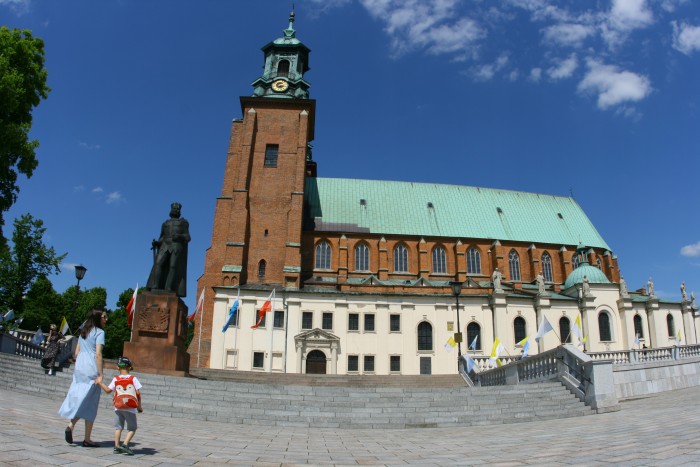
Two important events strengthened Poland as a Catholic country. After the death of the Czech Missionary Adalbert Wojciech from Prague, the son Mieszko I, Bolesław bought from the tribes of Prussian remains of the corpse murdered on the mission of the priest and buried them in the Gniezno temple. This resulted in a visit to the Emperor Otton III in 1000 in Gniezno and sanctification of the menser. Wojciech became Saint Wojciech, and Poland was considered a country worthy of the Emperor’s trust. It is also assumed that in the wrist there was a crown of the first Polish king of Bolesław Chrobry, but this is not historically confirmed.
Many media say that Gniezno was founded on the hill by Lech. I tried to ask the Museum of The Beginnings of the Polish State in Gniezno, but the question for the museum staff was too difficult. That is why Lech’s person should be considered an ordinary myth and you do not know who founded the first tribal contamination, which later turned into settlement and the city.
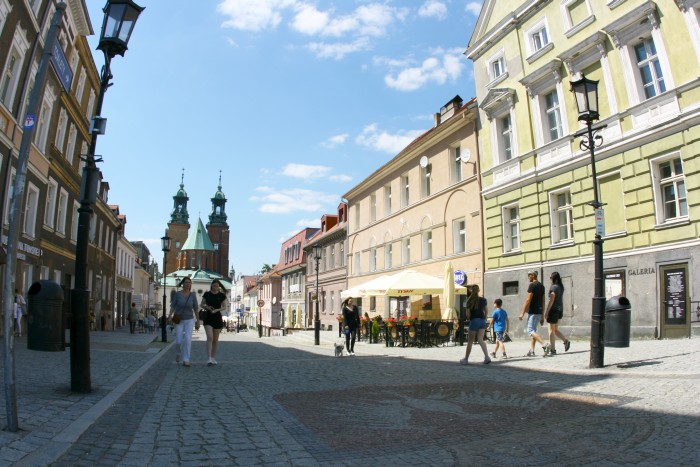
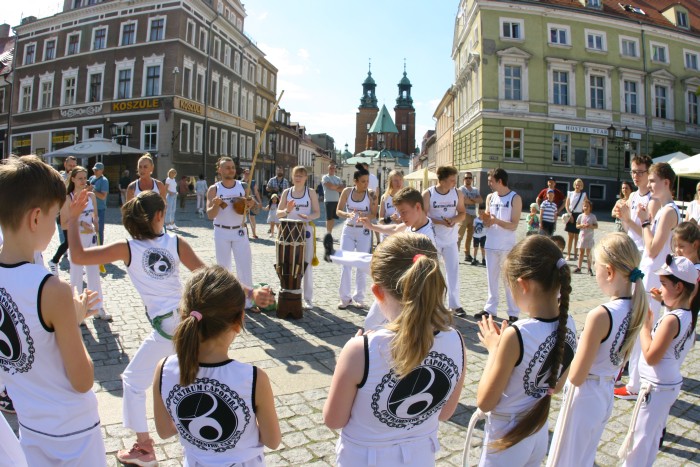
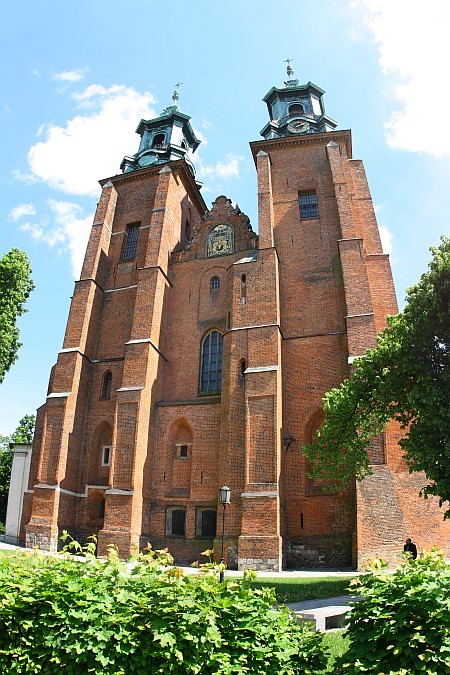
Today, Gnienzo is a contemporary town that refers to a small extent to the past. The Cathedral of Gniezno dominates the city, many times rebuilt and modernized. In the city, as if by accident, the statues of the first Polish rulers staring at uninteresting tenement houses are placed. There is no marketing climate to the beginnings of the Polish state. The greatest interest arouses gardens with beer, a fountain on the market and dancers of the local club brazilian Capoeira which singing Portuguese verses. Gniezno as a cradle of Polish it is a turustically high disappointment. You can see the lack of consciousness of the authorities into the historical responsibility of this city. Maybe this is changing during urban ceremonies but on a weekday it is a city that has no historical soul. (Brux)
…………………
BRUXnews
RSS subscription: https://brux.news.blog/feed/
Editor contact: BRUXnews@post.com
 BRUXnews