The use of external walls of buildings as a picture carrier is nothing new in Poland. Already during the time of deep communism (50/60 years) in Poland the walls of selected real estate were decorated with commercial advertising regarding mainly the only right commercial network of Spolem. Of course, there were also street displays, but these served to promote communist slogans and favor friendship with Russia and the guardian function of the party.
It can be said that the walls of the buildings served by branding advertising, although it did not make much sense in the economy of the monopoly. Most of the buildings chosen to decorate usually had geometric patterns that composed interestingly or less with the surroundings.
In later years, when the people’s authorities began to treat artists as people, they had abstract artistic visions to the cuttings of buildings. It was not easy, because art at that time was not assessed by the value of the message of the art work but an instrument for propagating politically exemplary artists. Like a favor was done for a favor.
After the fall of communism, there was a time of free market. The influx of foreign consult goods was filled with sklp shelves with spray paint, which could already be bought for Polish money and not as before only for dollars.
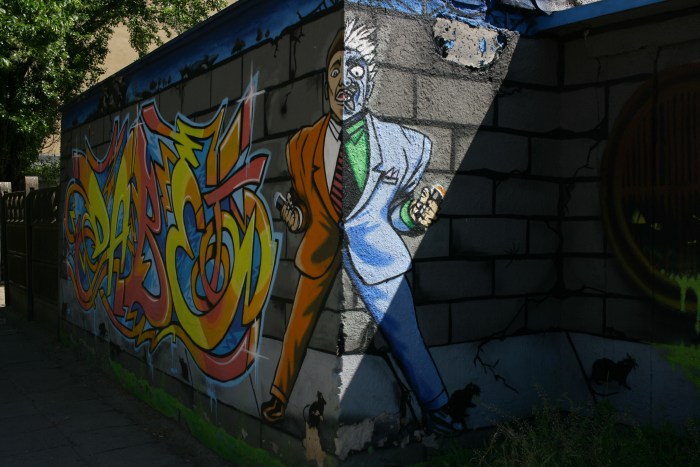
Paints in spray passed from the hands of car tinsmiths to the hands of society and Poles were overwhelmed by a fever of destroying all that could only be disfigured. It was called freedom. This is how the cult of graphite was created, which came to Poland with American video films. Every free surface and every unguarded wall of the building was a challenge for street graphicists. Street scribbles underwent their transformation over time.
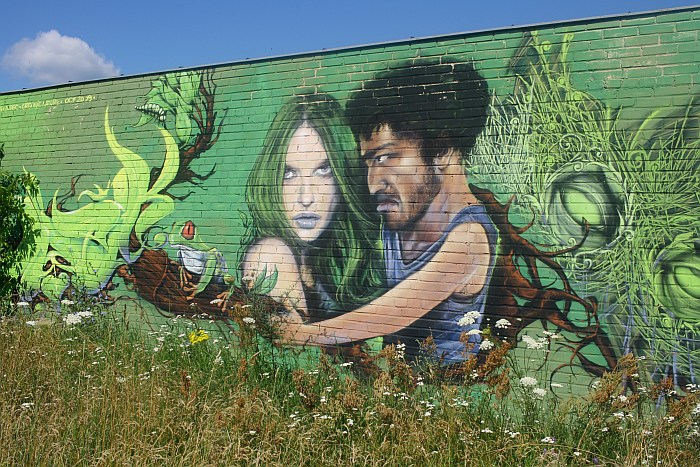
More and more sophisticated techniques such as templates and decorative lettering began to be used. Next to the subtitles with curses, characters from fairy tales, comics and caricatures appeared.
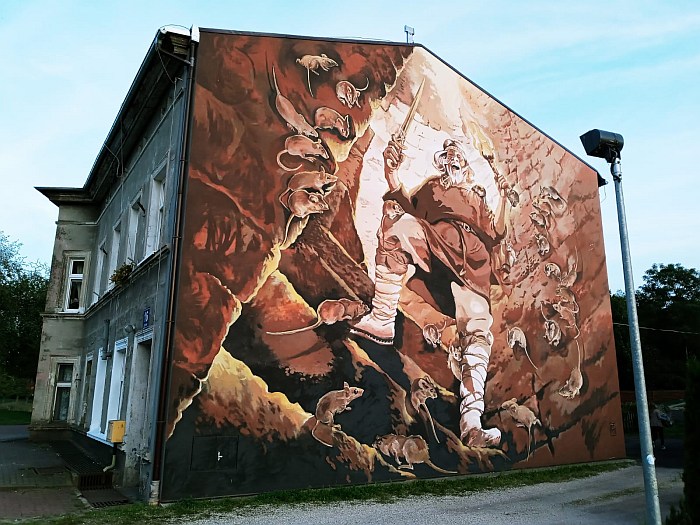
The time of commercialization has finally come. The first orders paid for decoration of the walls flowed. Branding returned, which was quickly denied by the technique of large -format advertising and its place was taken by an ambitious form of artistic drawing in urban space. Officials were convinced that buildings could become an open art gallery. For amazing talent paintings and spatial constructions, more and more known names appeared. In this way, great art went out into the street and emphasized its presence in the places of the most artistically poor in slums, in blocks of flats, i.e. large residential housing estates.
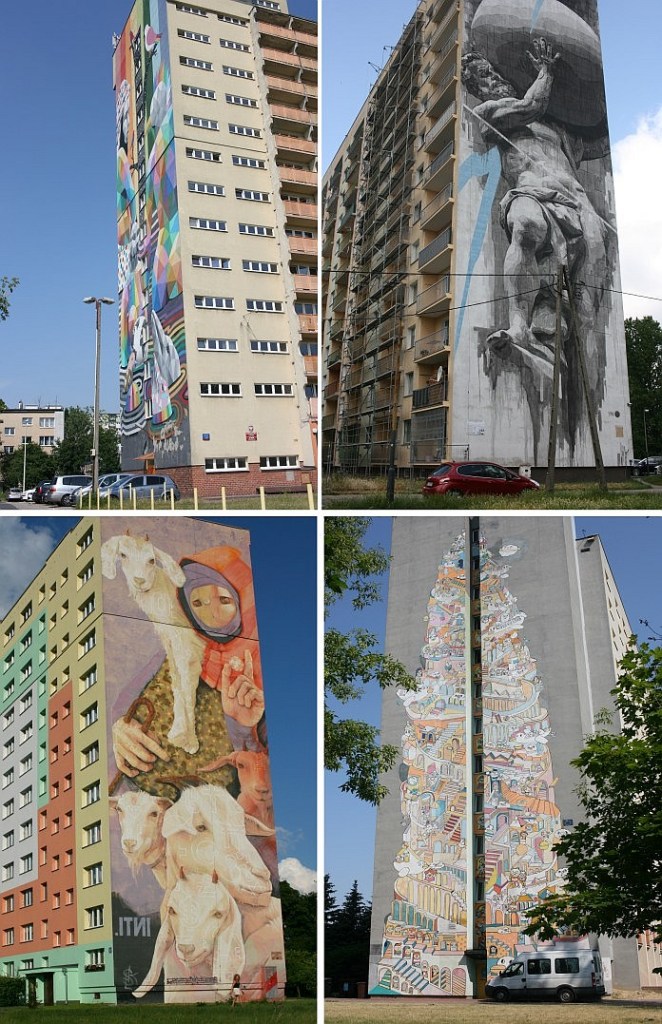
A new concept of “mural” (image on the wall) and a form of tourism based on sightseeing murals appeared. In this way, each city has become a peculiar gallery open to everyone but not entirely free. In many places, officials made sure that parking the car was difficult and paid or completely prohibited. (Brux)
…………………
BRUXnews
RSS subscription: https://brux.news.blog/feed/
Editor contact: BRUX.editor@outlook.com
 BRUXnews