That thanks to him and his historical insight Poles obtained a picture of past historical events affecting their imagination. He painted over 300 images mainly relating to the history of Poland and several hundred drawings and sketches.
Matejko belongs to the most outstanding painters in the world. He was Birthday in Krakow 1838. Father from the origin was a Catholic Czech, a mother of a Protestant German and Jan was a ninth child with eleven who came into the world, including two girls. The delivered mother died when Jan was seven.
In the school, he was not too understood to a student, and the broken and bad narrow nose testified that colleagues did not like him. Lonely and crushed by Jan emotions closed in his imagination giving her a drop in the form of drawings.
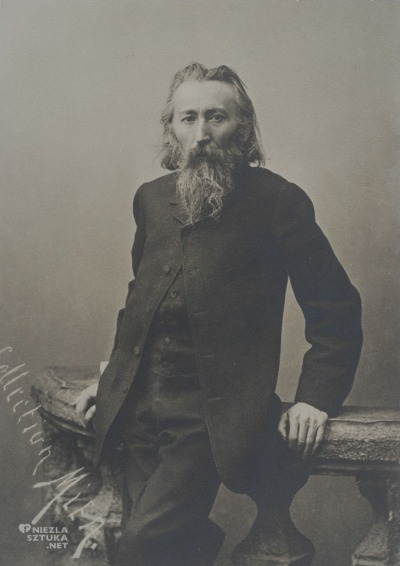
At the age of thirteen, Jan Matejko was admitted to the Krakow School of Fine Arts, there were financial difficulties there and revealed a disadvantage of the future artist. This, however, did not prevent Jan in education and in 1858 obtained a scholarship to the Academy of Fine Arts in Munich. There he found out that he wanted to devote himself to historical painting, which he had already tried to paint before.
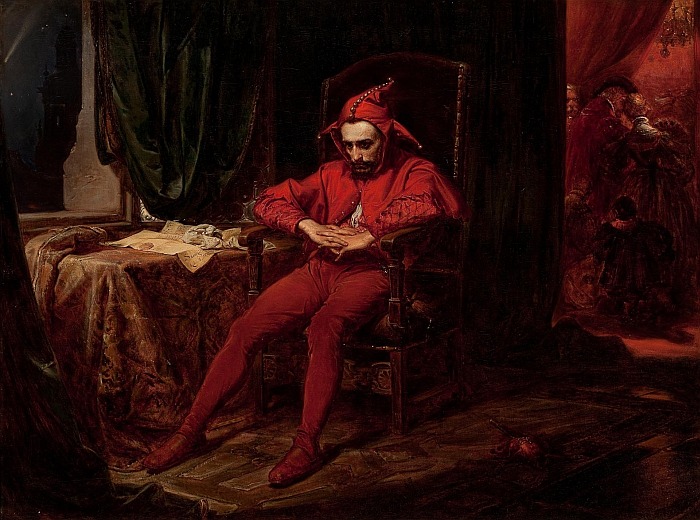
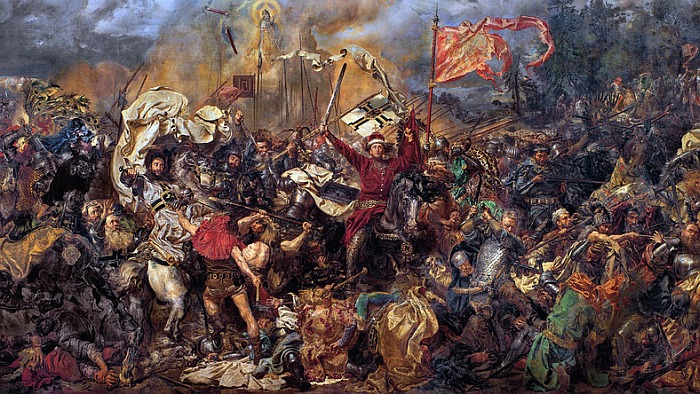
With 24 years, he painted the “Stanczyk” image (1862), which belongs to one of the most outstanding images of Jan Matejko. And to the largest cultural works include “Battle of Grunwald” (1878). Matejko often placed people in his canvas who were not in a given place, because he was not about presenting the fact, but the symbolism of historiosophical, which is why many historical events in public awareness function as described them on their painting painter.
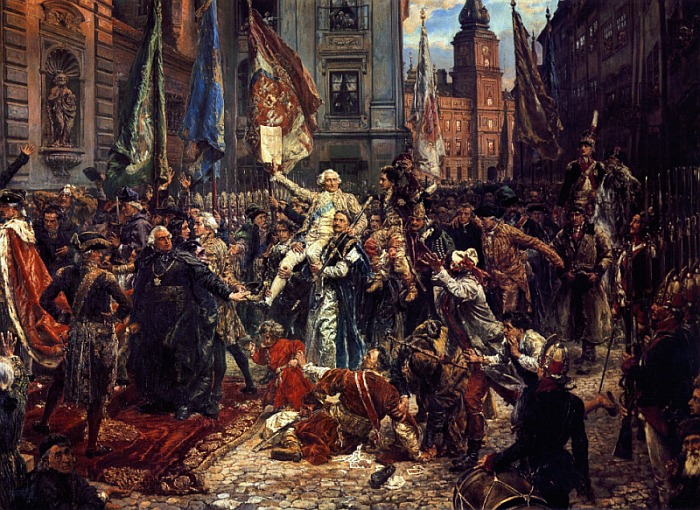
Matejko, apart from painting, was involved in the resistance movement against Poland’s invorts. He was different from the director of the Krakow School of Fine Arts of the same in which he collected the first science of painting. Many of their painting works drew for free or sold to allocate resources for volunteering. In 1888 he became a member of the elite Viennese Artistic Association (Wiener Kunstverein).
Jan Matejko died after the stomach ulcer breaking in 1893 at the age of 55. The funeral ceremony was equal to the dignity of the king. There is no Pole who did not know Jan Matejko a man who revived the story. (Brux)
…………………
BRUXnews
RSS subscription: https://brux.news.blog/feed/
Editor contact: BRUXnews@post.com
 BRUXnews